

As parents age, families often face a difficult question:
How can we keep elderly parents safe without taking away the independence they value so much?
Most seniors want to remain in their own homes for as long as possible. They are familiar with their surroundings, enjoy their daily routines, and often feel happier living independently than moving into assisted living facilities.
However, aging at home comes with challenges.
Falls, medical emergencies, memory issues, and delayed access to help can quickly turn a normal day into a serious situation.
The good news is that families no longer have to choose between safety and independence.
Modern technology, home modifications, and emergency response systems make it possible for seniors to live safely at home while maintaining the freedom they deserve.
This guide explains the most effective strategies families can use to protect aging loved ones and reduce everyday risks.
Why Home Safety Matters More Than Ever
Many people assume serious accidents only happen outside the home.
In reality, a significant percentage of senior injuries occur inside familiar environments.
The reason is simple.
As we age, factors such as:
- Reduced balance
- Slower reaction times
- Vision changes
- Medication side effects
- Muscle weakness
can increase the likelihood of accidents.
The most common incidents include:
- Falls in bathrooms
- Trips on rugs or clutter
- Missing stairs
- Dizziness-related accidents
- Medical emergencies when alone
Families who proactively address these risks often help seniors remain independent much longer.
The Biggest Risks for Seniors Living Alone
Before discussing solutions, it is important to understand the most common dangers.
1. Falls
Falls remain one of the leading causes of injury among older adults.
Even a minor fall can lead to:
- Broken bones
- Head trauma
- Reduced mobility
- Fear of future movement
Many seniors become less active after a fall, creating a cycle that further increases risk.
2. Medical Emergencies
Heart problems, strokes, breathing issues, and sudden illness can occur without warning.
When seniors live alone, immediate access to assistance becomes critical.
3. Memory-Related Concerns
Even mild forgetfulness can lead to:
- Missed medications
- Unlocked doors
- Missed appointments
- Difficulty contacting family members
4. Social Isolation
Safety isn’t only physical.
Isolation can affect:
- Mental health
- Cognitive function
- Overall quality of life
Maintaining social engagement is an important part of healthy aging.
Home Safety Checklist for Aging Parents
One of the most effective ways to reduce risk is to perform a room-by-room safety assessment.
– Bathroom Safety
Bathrooms are among the most dangerous areas in the home.
Consider:
- Grab bars
- Non-slip mats
- Walk-in showers
- Raised toilet seats
- Better lighting
Small modifications can dramatically reduce fall risk.
– Living Room Safety
Look for:
- Loose rugs
- Electrical cords
- Cluttered walkways
- Poor lighting
Creating clear walking paths can help prevent accidents.
– Bedroom Safety
Ensure:
- Easy access to light switches
- Stable furniture
- Clear walking space
- Emergency communication access
– Stairway Safety
Install:
- Handrails on both sides
- Bright lighting
- Anti-slip surfaces
Stairs are one of the most common sources of serious injuries.
Why Emergency Response Matters
Even with a perfectly safe home, emergencies can still happen.
The difference often comes down to response time.
Imagine a senior who:
- Falls while gardening
- Experiences dizziness
- Suffers a medical event
If they cannot reach a phone, valuable time may be lost.
This is why emergency response systems have become increasingly popular.
What Is a Medical Alert Watch?
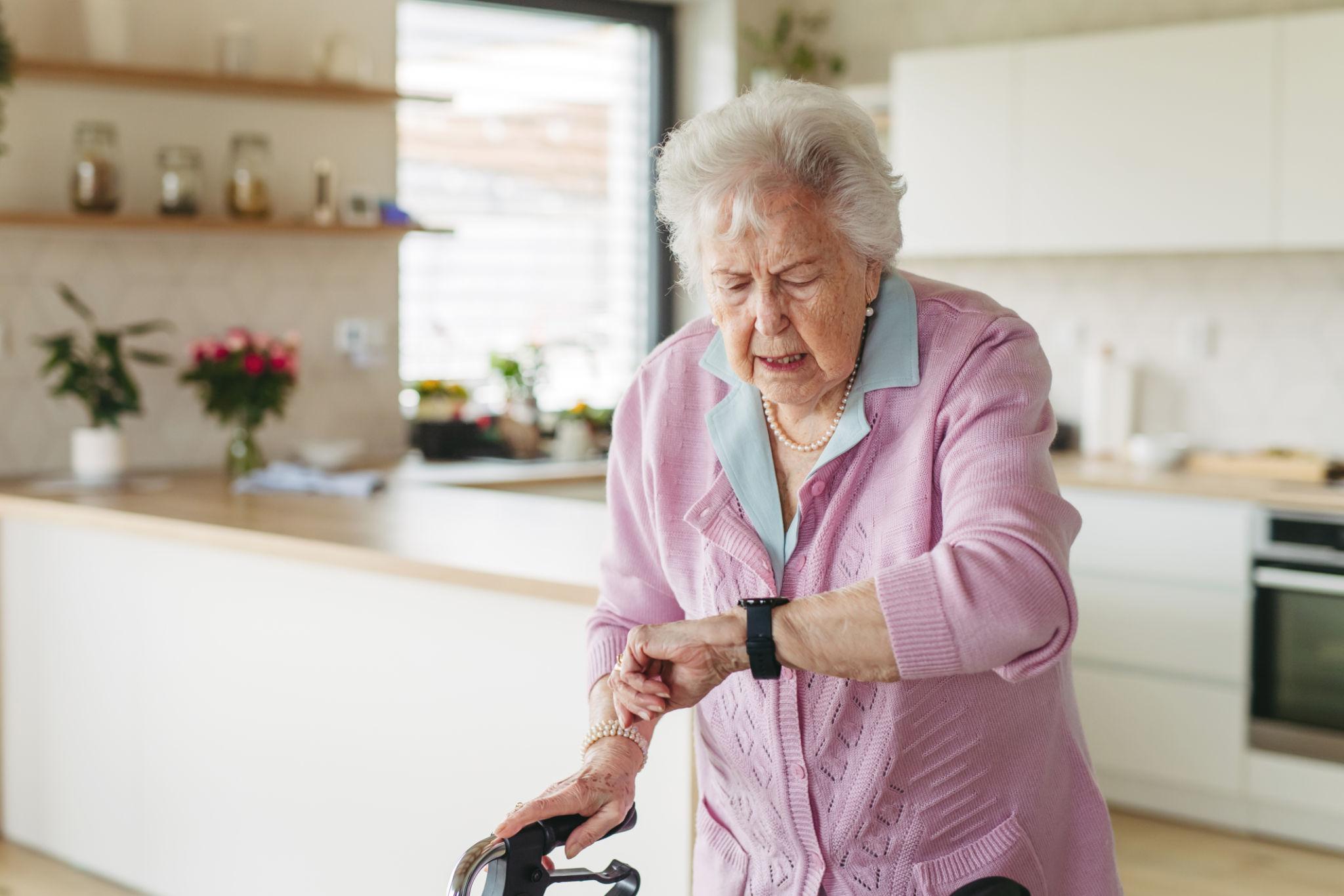
A medical alert watch is a wearable device designed to help seniors contact assistance quickly.
Unlike traditional emergency pendants, modern watches often include:
- GPS tracking
- SOS buttons
- Fall detection
- Two-way calling
- Location sharing
- Health monitoring
Because the device is worn on the wrist, users are more likely to keep it with them throughout the day.
Features Families Should Prioritize
Not every device offers the same level of protection.
Here are the most important features to consider.
– GPS Tracking
GPS allows caregivers to know where their loved one is during an emergency.
This is especially valuable for:
- Active seniors
- Travelers
- Individuals with memory concerns
– SOS Emergency Button
A dedicated emergency button provides immediate access to help.
Simple operation is critical.
– Automatic Fall Detection
Some devices can automatically recognize falls and trigger alerts.
This feature can be extremely valuable when the wearer cannot respond.
– Two-Way Communication
Direct communication helps caregivers assess the situation immediately.
– Medication Reminders
Missed medications are a common concern among older adults.
Reminder features can improve adherence.
Featured Solution for Independent Seniors
Among today’s available options, GPS-enabled medical alert watches are becoming increasingly popular because they combine multiple safety tools into one wearable device.
One option families often consider is the MedAlert Medical Alert Watch.
Key capabilities include:
- GPS location tracking
- Emergency SOS button
- Fall detection
- Caregiver monitoring
- Two-way communication
- Health monitoring tools
The device is designed specifically for seniors who want to remain independent while providing families with greater peace of mind.
Learn more here: https://medalert.io
Buyer’s Guide: Choosing the Right Senior Safety Device
Before purchasing any device, consider the following questions.
– Does the Senior Live Alone?
If yes, emergency communication becomes more important.
– Are Falls a Concern?
Choose a device with automatic fall detection.
– Does the Person Leave Home Frequently?
GPS tracking becomes essential.
– Is Ease of Use a Priority?
Complicated technology often goes unused.
Simple interfaces typically perform better.
– What Is the Battery Life?
Longer battery life reduces the chance of an unavailable device during emergencies.
Additional Ways to Improve Safety
Technology works best when combined with healthy habits.
Encourage:
- Regular exercise
- Balance training
- Vision checkups
- Medication reviews
- Frequent communication
A comprehensive approach provides the strongest protection.
Frequently Asked Questions
– How can I keep elderly parents safe while they live alone?
Home modifications, emergency communication devices, regular check-ins, and wearable alert systems are among the most effective solutions.
– Is a medical alert watch worth it?
Many families find the added safety, GPS tracking, and emergency response features provide valuable peace of mind.
– What is the difference between a medical alert watch and a pendant?
A watch is generally more convenient for daily wear and often includes additional smart features.
– Do medical alert watches work outside the home?
Many GPS-enabled models are specifically designed to work both indoors and outdoors.
– Can caregivers monitor location?
Many devices allow approved family members to view location information when needed.
– What is the best safety device for seniors?
The ideal choice depends on lifestyle, mobility, health concerns, and personal preferences. Devices combining GPS, SOS alerts, and fall detection generally offer the most comprehensive protection.
Final Thoughts
Keeping elderly parents safe at home is not about limiting independence.
It is about creating an environment where seniors can continue enjoying their lives with greater confidence and security.
The right combination of home safety improvements, family communication, and modern emergency response technology can dramatically reduce risk.
For families looking for an additional layer of protection, GPS-enabled medical alert watches offer a practical solution that supports both safety and independence.
👉 Explore MedAlert Medical Alert Watches: https://medalert.io
A few preventive steps today can help protect the people you care about most tomorrow.
