

If you’ve recently been researching snorkeling gear, scuba equipment, or ocean travel accessories, you’ve probably come across underwater scooters.
At first glance, they look exciting.
People glide effortlessly through coral reefs, follow sea turtles, capture cinematic underwater footage, and seem to explore far more than the average swimmer.
But then comes the obvious question:
Are underwater scooters actually worth it?
After all, many models cost hundreds—or even thousands—of dollars.
Could that money be better spent elsewhere?
Would better fins achieve the same result?
Are underwater scooters just expensive toys?
Or do they genuinely improve your underwater experience?
The answer depends on how you use the ocean.
For some people, an underwater scooter becomes one of the best purchases they’ve ever made.
For others, it may be unnecessary.
This guide breaks down the real-world benefits, limitations, and buying considerations to help you decide whether an underwater scooter is worth the investment.
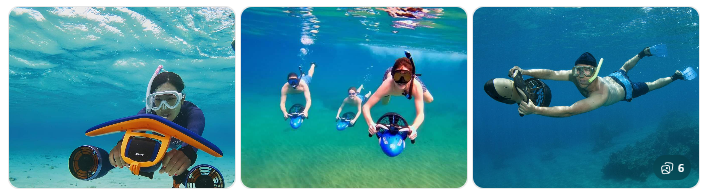
The Problem Most Snorkelers Don’t Realize They’re Facing
Most people don’t quit snorkeling because they stop enjoying it.
They stop because they get tired.
That sounds obvious, but it’s often overlooked.
Imagine you’re exploring a beautiful reef system.
Everything feels easy during the first fifteen minutes.
You see fish.
You discover coral formations.
The water is clear.
Then fatigue starts appearing.
Your legs become heavier.
Your breathing increases.
The current suddenly feels stronger.
The reef you wanted to explore looks farther away.
Instead of enjoying the environment, you’re managing energy levels.
Many snorkelers spend more time thinking about how far they must swim back than enjoying the underwater world.
This is the exact problem underwater scooters attempt to solve.
Why Swimming Efficiency Matters More Than Fitness
A common misconception is that underwater scooters are only useful for weak swimmers.
That’s simply not true.
Even strong swimmers face limitations.
Ocean conditions differ dramatically from a swimming pool.
Several factors increase energy consumption:
– Ocean Currents
Even mild currents create resistance.
Small changes in water movement can dramatically increase effort levels.
– Equipment Weight
Masks, fins, cameras, flotation devices, and other gear create drag.
– Exploration Distance
Many reefs stretch hundreds of meters from entry points.
Reaching them requires sustained effort.
– Long Sessions
Vacation snorkelers often stay in the water for one or two hours.
Fatigue accumulates gradually.
The issue isn’t whether you can swim.
The issue is how much energy you’re willing to spend getting from one point to another.
What Exactly Is an Underwater Scooter?
An underwater scooter—sometimes called a sea scooter or diver propulsion vehicle—is a compact motorized device that pulls a user through the water.
Instead of continuously kicking to generate forward movement, the scooter provides propulsion.
Most modern recreational models include:
- Electric motors
- Rechargeable batteries
- Safety shutoffs
- Adjustable speed settings
- Camera mounting options
Some are designed for recreational snorkeling.
Others target scuba divers and underwater photographers.
The technology has become significantly more compact and travel-friendly during the last decade.
The Biggest Benefits of Underwater Scooters
1. Explore More Reef
This is arguably the biggest advantage.
Most people dramatically underestimate how much reef remains unexplored simply because it’s farther away.
A scooter allows users to cover greater distances without exhausting themselves.
You spend less time swimming.
You spend more time observing.
For many travelers, this alone justifies the investment.
2. Reduce Fatigue
Fatigue affects every aspect of snorkeling.
When you’re tired:
- Photography becomes harder.
- Navigation becomes harder.
- Enjoyment decreases.
- Safety awareness may decline.
An underwater scooter significantly reduces the physical effort required to move through the water.
Many users report finishing snorkeling sessions with far more energy than they normally would.
3. Better Underwater Photography
Creating smooth underwater footage is surprisingly difficult.
Swimming introduces:
- Body movement
- Sudden speed changes
- Instability
A scooter creates more consistent motion.
This allows photographers and videographers to capture smoother footage.
If you create content for:
- YouTube
- TikTok
- Travel blogs
The difference can be substantial.
4. Follow Marine Life More Easily
Sea turtles.
Manta rays.
Schools of fish.
Dolphins.
These animals move efficiently through the water.
Humans do not.
A scooter helps close that gap.
While wildlife should never be chased or harassed, a propulsion device can improve your ability to observe animals naturally from a respectful distance.
5. Increase Enjoyment for Families
Family snorkeling trips often involve people with different fitness levels.
Children.
Teenagers.
Parents.
Grandparents.
An underwater scooter can help reduce those differences and make group exploration easier.
This is one reason family-oriented sea scooters have become increasingly popular in beach destinations around the world.
The Drawbacks Nobody Talks About
To answer whether underwater scooters are worth it, we must discuss disadvantages too.
– Cost
The most obvious drawback is price.
Quality scooters are not cheap.
Depending on features and performance, prices vary significantly.
For occasional users, this investment may feel difficult to justify.
– Battery Management
Unlike fins, scooters require charging.
You must:
- Monitor battery levels
- Follow airline regulations
- Maintain charging equipment
This adds complexity.
– Additional Gear
Travelers already carry:
- Masks
- Snorkels
- Fins
- Cameras
Adding another device increases packing requirements.
– Learning Curve
Although most recreational scooters are simple to use, they still require practice.
First-time users should always begin in calm, shallow water.
So, Are Underwater Scooters Worth It?
For occasional swimmers who snorkel once every few years?
Maybe not.
For people who regularly:
- Visit tropical destinations
- Explore coral reefs
- Create underwater content
- Enjoy ocean adventures
- Spend long periods in the water
The answer is often yes.
The key benefit isn’t speed.
It’s access.
Access to more reef.
More wildlife encounters.
More exploration.
More enjoyment.
And less fatigue.
Who Gets the Most Value from an Underwater Scooter?
Not every buyer receives the same benefit.
Let’s examine the groups that typically gain the most value.
– Frequent Snorkelers
If snorkeling is one of the primary reasons you travel, an underwater scooter can dramatically improve your experience.
– Underwater Content Creators
Better footage often justifies the investment.
– Resort Travelers
Many tropical resorts feature large reef systems that reward longer exploration.
– Families
A scooter can make activities more enjoyable across different age groups.
– Ocean Enthusiasts
People who spend significant time in the water generally benefit the most.
A Popular Option Worth Considering
For recreational users looking for a balance of portability, ease of use, and performance, many travelers begin by comparing models from SUBLUE.
The company offers several options ranging from beginner-friendly sea scooters to advanced performance models.
👉 Explore the latest collection here: https://store.sublue.com
Before choosing a specific model, however, it’s important to understand which features actually matter and which are mostly marketing.
That’s exactly what we’ll cover next.
What Features Actually Matter When Buying an Underwater Scooter?
One of the biggest mistakes first-time buyers make is focusing entirely on speed.
Manufacturers often advertise maximum speed as the headline feature.
While speed can be useful, it’s rarely the most important factor for recreational snorkelers.
Instead, buyers should focus on the features that directly affect real-world usability.
1. Runtime Matters More Than Speed
Imagine reaching the most beautiful section of a reef only to realize your battery is almost depleted.
Battery runtime determines how long you can explore comfortably.
For most recreational users:
- 30–45 minutes is acceptable
- 45–60 minutes is ideal
- 60+ minutes is excellent
Longer runtime means:
- More exploration
- Less battery anxiety
- Better value from each snorkeling session
If you’re planning half-day ocean excursions, battery performance should be one of your highest priorities.
2. Portability Is Critical for Travelers
Many people buy underwater scooters specifically for vacations.
This makes portability extremely important.
Consider:
- Weight
- Dimensions
- Battery transport requirements
- Ease of packing
A powerful scooter isn’t very useful if transporting it becomes a hassle.
Travel-friendly designs often provide the best overall experience for casual users.
3. Ease of Use Beats Complexity
Some underwater scooters include advanced controls and performance modes.
While these features may appeal to enthusiasts, beginners often benefit more from simplicity.
The best recreational scooters typically offer:
- Intuitive controls
- Comfortable grip design
- Simple charging systems
- Easy maintenance
Remember:
A device that gets used regularly is more valuable than one that stays in storage because it’s complicated.
4. Safety Features Should Never Be Ignored
Safety is not the most exciting topic, but it is one of the most important.
Look for features such as:
- Propeller protection
- Automatic shutoff systems
- Secure battery compartments
- Positive buoyancy or flotation support
A quality scooter should enhance your experience without introducing unnecessary risks.
5. Camera Compatibility Can Add Huge Value
For content creators, underwater scooters offer more than propulsion.
They can also improve filming quality.
Many modern models support:
- GoPro mounts
- Action cameras
- Waterproof filming accessories
If you enjoy documenting your adventures, camera compatibility can significantly increase the value of your purchase.
Common Mistakes People Make Before Buying
Understanding these mistakes can save both money and frustration.
– Buying the Cheapest Option Available
Cheap scooters often compromise on:
- Battery quality
- Reliability
- Build quality
- Runtime
A bargain can become expensive if replacement or repair is required.
– Buying More Power Than You Need
Many recreational users purchase high-performance models designed for advanced diving.
In reality, a lighter and simpler model may provide a better overall experience.
– Ignoring Travel Requirements
Airline battery regulations can affect transportation.
Always check battery specifications before purchasing if you travel frequently.
– Forgetting About Maintenance
Saltwater exposure requires proper rinsing and care.
Even premium equipment benefits from regular maintenance.
– Expecting the Scooter to Replace Swimming Skills
An underwater scooter is a tool.
It should supplement—not replace—basic water safety and swimming ability.
Best Underwater Scooters Worth Buying in 2026
At this point, you may be wondering which models actually provide good value.
Let’s look at several options frequently considered by recreational users.
– Best Overall Value: SUBLUE MixPro
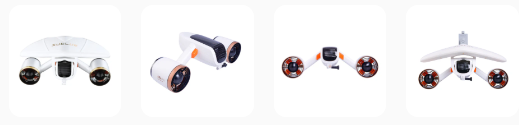
For many travelers, the MixPro hits the sweet spot between performance, portability, and price.
Why it stands out:
- Beginner-friendly operation
- Travel-friendly design
- Strong performance for snorkeling
- Family-friendly usability
- Excellent value proposition
The MixPro is often recommended because it solves the biggest problems recreational users face without overwhelming them with unnecessary complexity.
👉 View current MixPro options: https://store.sublue.com
– Best for Enthusiasts: SUBLUE Navbow
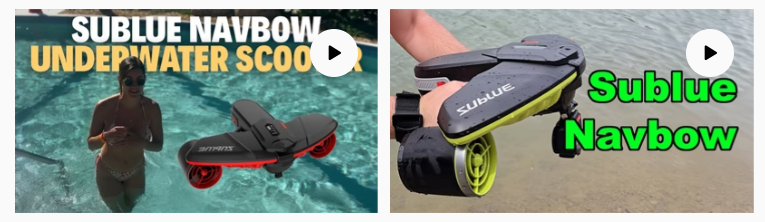
The Navbow targets users seeking more power and flexibility.
Advantages include:
- Multiple speed settings
- Greater propulsion
- Longer exploration capability
- Excellent handling
For people who spend significant time in the water, the additional performance may justify the higher investment.
👉 Explore Navbow models: https://store.sublue.com
– Best Premium Experience: SUBLUE Vapor
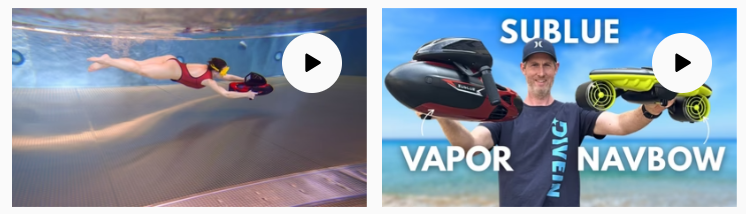
The Vapor is designed for users who prioritize maximum performance.
Ideal for:
- Advanced ocean enthusiasts
- Luxury travelers
- Frequent underwater explorers
While not necessary for everyone, it demonstrates how far recreational underwater propulsion technology has evolved.
Who Should NOT Buy an Underwater Scooter?
It’s equally important to identify situations where an underwater scooter may not be worthwhile.
You may want to skip the purchase if:
- You snorkel once every few years
- Most of your water activities occur in swimming pools
- You dislike maintaining equipment
- Your travel style is extremely minimalist
- Budget is your primary concern
In these cases, quality fins and snorkeling equipment may provide better value.
The Real Value of an Underwater Scooter
When evaluating whether underwater scooters are worth it, many people focus on the wrong question.
They ask:
“How much faster can I go?”
A better question is:
“How much more can I experience?”
The true value comes from:
- Accessing more reef
- Conserving energy
- Extending exploration time
- Capturing better footage
- Improving overall enjoyment
These benefits often matter more than raw speed.
Frequently Asked Questions
– Are underwater scooters worth the money?
For frequent snorkelers, divers, and ocean travelers, many users consider them a worthwhile investment because they reduce fatigue and expand exploration range.
– Are underwater scooters only for divers?
No.
Many models are designed specifically for recreational snorkelers and beginners.
– Can beginners use underwater scooters safely?
Yes, provided they follow manufacturer instructions and practice in calm water before venturing into more challenging environments.
– How long does an underwater scooter battery last?
Most recreational models provide approximately 30–60 minutes of runtime depending on speed and usage conditions.
– Do underwater scooters help with currents?
They can assist in mild currents but should never be relied upon as a substitute for proper judgment and water safety practices.
– Are underwater scooters good for photography?
Absolutely.
Many users purchase them specifically to improve underwater filming and photography experiences.
– Can children use underwater scooters?
Some models are suitable for supervised children, but buyers should always follow manufacturer recommendations.
– Are they difficult to transport?
Modern travel-focused models are significantly easier to transport than older designs, though battery regulations should always be reviewed before flying.
– What’s the best underwater scooter for beginners?
Many recreational users find the SUBLUE MixPro to be one of the easiest models to learn and enjoy.
– What is the biggest benefit of an underwater scooter?
Most users report that reduced fatigue and increased exploration range provide the greatest value.
– Are underwater scooters noisy?
Most modern electric models are relatively quiet compared to traditional motorized watercraft.
– Is a premium model worth upgrading to?
For users who snorkel or dive frequently, advanced models can provide meaningful improvements in performance and versatility.
Final Verdict: Are Underwater Scooters Worth It?
For occasional vacationers, the answer may be “not necessarily.”
For people who regularly explore coral reefs, snorkel during tropical vacations, create underwater content, or simply want to spend more time enjoying the ocean and less time fighting fatigue, the answer is often a clear yes.
The best underwater scooters don’t just make you faster.
They make exploration easier.
They help you conserve energy.
They allow you to discover more of the underwater world.
And ultimately, they make snorkeling more enjoyable.
If you’re considering your first underwater scooter, starting with a travel-friendly, beginner-friendly option is usually the smartest approach.
👉 Browse the latest SUBLUE underwater scooters and compare current models: https://store.sublue.com
Whether you’re planning a tropical vacation, a snorkeling adventure, or your next underwater photography trip, choosing the right scooter could be the upgrade that transforms your entire experience.